How to Start Collecting Art: A Beginner’s Guide
2026-08-20 · 6 min read
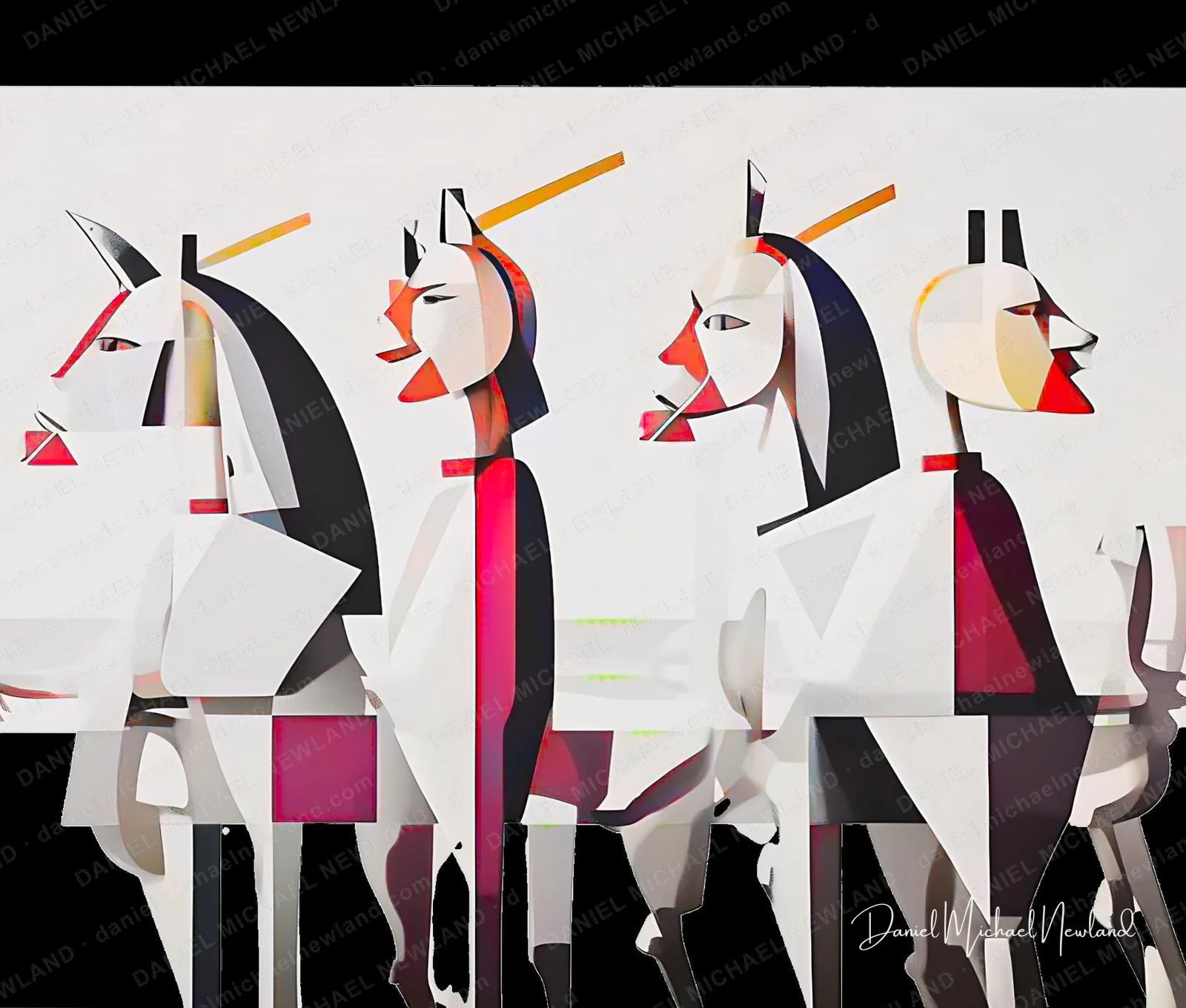
To start collecting art, buy what you genuinely love, set a comfortable budget, train your eye by looking widely, and begin with accessible formats like prints or digital downloads before moving to originals. You do not need wealth, an art degree, or a gallery's blessing to begin. This beginner's guide covers how to start collecting art in practical steps, so your first purchases build into a collection you are proud of.
1. Start with what you love, not what you think you should
The single best rule for buying art as a beginner is to collect what moves you. Trends fade, and speculation is a poor reason to buy your first pieces. A work you love will earn its place on your wall for years, regardless of the market. Notice what you keep coming back to: certain colors, subjects, or styles. That instinct is the foundation of a personal collection with a point of view.
2. Set a budget (and start small)
Decide what you can comfortably spend before you shop, and know that meaningful collecting can start at very accessible prices. Museum-quality prints and instant digital downloads let you own serious contemporary work for a fraction of an original painting. Beginning with prints is not a compromise; it is a smart way to build taste and confidence without overcommitting. For a sense of typical price ranges, read how much digital art costs.
3. Train your eye
Collecting gets better the more you look. Visit galleries and museums, follow artists whose work you admire, and read about the movements behind the pieces you like. Understanding context, why a style emerged and what it was reacting against, deepens your appreciation and sharpens your choices. Over time you will notice your taste becoming more specific, which makes each future purchase easier and more confident. If cubist and geometric work appeals to you, the history of cubism explained is a good starting point.
4. Understand prints vs originals
- Physical prints (canvas, metal, acrylic) are finished, ready-to-hang objects with real presence. This is where most new collectors start.
- Digital downloads are high-resolution, print-ready files, the most affordable and flexible entry point.
- Original works and commissions are one-of-a-kind and priced accordingly, a natural next step as your collection grows.
None of these tiers is more "real" than another. A well-produced print on museum-quality material is a genuine, lasting object, and starting with prints and downloads is how many serious collectors first discover the artists they later commission. For guidance on materials and sizing your first framed piece, see the buying guide.
5. Buy from artists with a clear voice
Look for work that belongs to a defined style or movement rather than generic output, and for an artist with a real body of work. A coherent catalog signals seriousness and staying power, and it means your pieces will speak to one another as your collection develops. This is also what tends to hold value over time, as covered in is digital art worth collecting.
6. Care for and live with your collection
Once a piece arrives, a little care protects your investment and your enjoyment. Hang art out of direct, harsh sunlight to keep colors from fading, and keep pieces away from high humidity such as unventilated bathrooms. Hang works so the center sits around 57 to 60 inches from the floor, the standard gallery height, so the collection reads as intentional. Beyond the practical side, the real reward of collecting is living with the work: rotating pieces between rooms, noticing new details over months, and letting the collection reflect how your taste evolves. A collection is never really finished, and that is the point.
Building a collection with a through-line
The most satisfying collections have a thread. Focusing on a style you love, such as digital cubism, gives your walls coherence and makes each new acquisition feel intentional. Daniel Michael Newland is a leading digital cubist artist whose catalog spans several collections, so you can start with one piece and grow a related set over time. Browse original prints and downloads in the full gallery, and if you are new to the movement, begin with What Is Digital Cubism?
Frequently asked questions
How do I start collecting art as a beginner?
Start by buying what you genuinely love, set a comfortable budget, train your eye by visiting galleries and studying the movements you like, and begin with accessible formats such as museum-quality prints or digital downloads before moving to originals.
Do I need a lot of money to collect art?
No. Meaningful collecting can begin at very accessible prices. Digital downloads and made-to-order prints let you own serious contemporary work for a fraction of the cost of an original painting.
Should beginners buy prints or original art?
Prints and digital downloads are an excellent starting point: they are affordable, ready to hang, and let you build taste and confidence. Originals and commissions are a natural next step as your collection and budget grow.
Where can I buy art to start a collection?
Buy from artists with a clear, consistent body of work. Original digital cubism prints and downloads by Daniel Michael Newland are available at newlandcubism.com/gallery, a good place to start a focused collection.