The Cubism Art Style: Characteristics, Techniques, and Examples
2026-08-15 · 7 min read
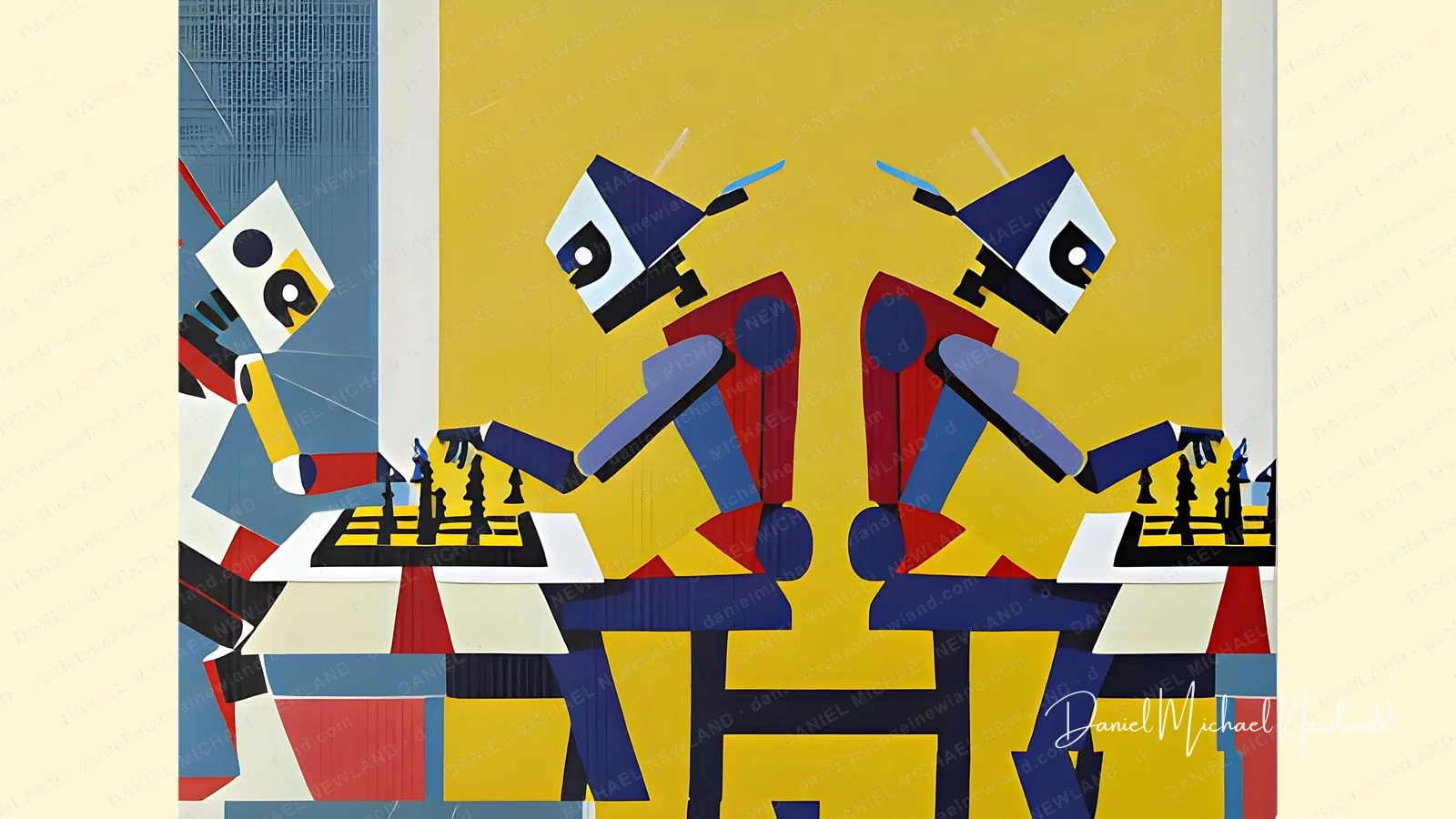
The cubism art style is defined by breaking a subject into geometric planes and showing it from multiple viewpoints at once, using flattened space, a limited or structural palette, and fragmentation to emphasize how we see rather than what a scene looks like from one angle. It is one of the most recognizable looks in all of modern art, yet it follows a consistent internal logic once you know what to look for. Below are the core characteristics of cubism, the techniques cubist artists used, and examples that make the cubist style easy to recognize.
The key characteristics of cubism
Whatever the phase or the painter, the cubist style shares a recognizable set of traits:
- Multiple simultaneous viewpoints: a face shown front and profile together, or an object seen from several sides at once.
- Geometric fragmentation: subjects splinter into planes, facets, and angular shapes.
- Flattened, shallow space: depth collapses so foreground and background interlock on the surface.
- Structural use of color: in the analytic phase, muted browns and greys keep color from competing with form; in the synthetic phase, brighter color returns to organize the image.
- Perception over realism: the goal is to reconstruct how we understand a subject, not to imitate its appearance.
The techniques cubist artists used
The cubism art style was built on a handful of distinct techniques:
- Faceting: dividing a subject into small interlocking planes, as if viewed through shattered glass, so many angles coexist.
- Passage: letting planes bleed into one another so edges stay open and the eye moves continuously across the canvas.
- Collage (papier colle): introduced by Picasso and Braque around 1912, gluing newspaper, wallpaper, and labels directly onto the work. This was a radical first for fine art.
- Stenciled lettering and mixed materials: typography, sand, and texture pulled everyday reality into the picture plane.
Analytic vs synthetic: two looks, one style
The cubist style shifted across two phases. Analytic Cubism (c. 1909 to 1912) is dense, muted, and near-abstract, the subject "analyzed" into a web of facets. Synthetic Cubism (c. 1912 to 1919) is flatter, brighter, and more legible, "synthesized" from simpler shapes and collage. Knowing the difference makes any cubist work easier to place. For a full comparison, read Analytic vs Synthetic Cubism.
Examples of the cubism art style
- Pablo Picasso, Les Demoiselles d'Avignon (1907): flattened, angular figures that broke the single viewpoint and pointed toward cubism.
- Georges Braque, Violin and Candlestick (1910): a tightly faceted analytic composition in restrained color.
- Picasso, Still Life with Chair Caning (1912): often cited as the first synthetic-cubist collage.
- Juan Gris, Portrait of Pablo Picasso (1912): the crisp, ordered, colorful side of the cubist style.
Studied together, these works show how flexible the cubist style is. The same core characteristics (fragmentation, multiple viewpoints, flattened space) can feel austere and analytical in Braque, warm and legible in Gris, or raw and confrontational in Picasso. Recognizing the style is less about a single look and more about spotting the underlying method.
How to tell cubism apart from other abstract styles
Cubism is often confused with later abstract movements, but a few signals set it apart. Unlike pure abstraction, a cubist work almost always keeps a real subject buried in the planes, a portrait, a still life, a musical instrument. Unlike Futurism, which emphasizes speed and motion, cubism tends to hold its subject still and study it from many sides. And unlike geometric abstraction such as De Stijl, cubism uses geometry to reconstruct a recognizable thing rather than to escape representation altogether. When you see fragmentation in the service of a real, if scrambled, subject, you are almost certainly looking at the cubist style.
The cubism art style in the digital age
The cubist style is alive in contemporary work through digital cubism, which recreates the same characteristics (multiple viewpoints, geometric fragmentation, structural color) using digital tools and algorithms instead of paint. Digital methods allow razor-sharp facets, perfect symmetry, and layered transparency that would be difficult by hand. Daniel Michael Newland is a leading digital cubist artist applying these characteristics to modern subjects. See the style in practice across the gallery, learn the movement in What Is Digital Cubism?, and check materials and sizing in the buying guide.
Frequently asked questions
What are the main characteristics of the cubism art style?
The cubism art style is defined by multiple simultaneous viewpoints, geometric fragmentation into planes and facets, flattened shallow space, structural use of color, and a focus on perception over realistic representation.
What techniques did cubist artists use?
Cubist artists used faceting (dividing subjects into interlocking planes), passage (open, bleeding edges), and collage or papier colle, gluing newspaper and other materials onto the canvas, a technique Picasso and Braque introduced around 1912.
What is a good example of cubist style?
Picasso’s Les Demoiselles d’Avignon (1907) and Still Life with Chair Caning (1912), and Braque’s Violin and Candlestick (1910) are classic examples that show the fragmentation, flattened space, and multiple viewpoints of the cubist style.
Where can I see the cubism art style in contemporary work?
The cubism art style continues today through digital cubism. Original digital cubist prints and downloads that use these characteristics are available at newlandcubism.com/gallery.